Finding the perfect gift for a dad can feel like navigating a labyrinth constructed of obscure hobbies, forgotten interests, and deeply personal tastes. We often assume that if he loves grilling or watching sports, those are his only passions—but the truth is usually far more nuanced. Sometimes, the most meaningful gifts aren't related to what we think he likes; they tap into Father's Day Hampers the parts of him he might not even realize are sources of joy. If you’ve ever stared at a gift store aisle feeling overwhelmed and unsure where to start, take a deep breath. This comprehensive guide will equip you with actionable strategies, psychological insights, and creative prompts to help answer the question: how do I find out my dad's secret passions for gifts?
We are going to move beyond simple "he likes beer" suggestions. Instead, we’ll delve into understanding his inner landscape—the things that make him light up, the topics he reads about late at night, and the niche experiences that will genuinely resonate with him. By paying attention to subtle signals and using thoughtful investigative techniques, you can transform gift-giving from a daunting chore into a deeply rewarding act of connection.
Observing His Everyday Behavior for Clues
The most valuable information is often hidden in plain sight. Your dad’s "secret passions" aren't usually found on Amazon; they are woven into the fabric of his daily life. Becoming an observational detective is half the battle. You need to become a student of his habits, not just a consumer of his interests.
Paying Attention to Media Consumption
What does he consume when no one is looking? His media diet is a goldmine of clues. Does he frequently look up information about historical battles on Wikipedia? Is every podcast he listens to related to specific types of machinery or botany? These aren't random clicks; they are indicators of intellectual curiosity.
- Search History: While you shouldn’t spy (unless absolutely necessary!), paying attention to what topics pop up in conversation, like a sudden interest in Japanese woodworking techniques or obscure constellations, is key. Reading Material: Does he gravitate toward magazines about classic cars, survivalism, specific foreign cultures, or perhaps specialized gardening? The subject matter of his reading material acts as a compass pointing directly toward his inner world.
Identifying His Flow States and "Deep Dives"
A flow state is when someone is so engrossed in an activity that time seems to vanish. When you see your dad enter a flow state—whether it's working on a model airplane, tending the garden, or deeply engaged with a puzzle—you have found pure gold. This isn't just something he does; it’s something he finds intrinsically satisfying.
Think of his hobbies not as mere pastimes, but as emotional anchors. What makes him forget about bills and deadlines? That activity is where his true passions lie. Maybe you think he loves fishing, but what if the passion is actually the meticulous preparation of gourmet meals after a day of fishing? The gift might need to shift focus from the tackle box to high-end cooking gear.
Mining Conversations for Hidden Gems
Sometimes the best information isn't observed; it’s elicited. Conversation can be your most powerful tool in figuring out how do I find out my dad's secret passions for gifts? The goal here is not interrogation, but gentle curiosity. You want to open doors, not corner him into giving an answer.
Asking "Why?" Instead of "What?"
If you ask, "Do you like hiking?" he might just say yes. But if you ask, "What do you enjoy most about spending time in the woods—the quiet, the physical challenge, or maybe the history of the trails?" you force him to articulate the emotional core of his interest. This shift from surface description to emotional motivation is revolutionary for gift-giving.
A useful technique here is using open-ended prompts that require storytelling. For example: "If money were no object and you had an entire Saturday free, what would you spend it doing?" Listen closely to the details he provides—the specific locations, the necessary equipment, or the accompanying snacks.
Leveraging Shared Experiences
A wonderful anecdote I once heard was about a son who wanted to get his father something related to "history." The father quickly dismissed history books and magazines, but instead smiled faintly when the son mentioned visiting a local armory museum. It turned out that the dad’s true passion wasn't general history; it was military surplus culture. By shifting your focus from the broad topic (history) to the specific environment (armories/museums), you unlocked his real interest, allowing you to find niche gifts like vintage tools or replica badges.
Remember this quote: "The best gift is always a shared experience." Focusing on activities rather than objects can often unlock the deepest passions.
Going Beyond the Obvious: The Psychology of Passion
Understanding passion requires looking beyond surface-level interests and delving into motivation. We need to understand why he enjoys certain things. Is it for relaxation? For intellectual stimulation? For connecting with people? These motivations are key pillars in selecting a gift that truly hits home.
Exploring Mastery vs. Nostalgia
Every man has different primary motivations, and understanding which one drives him will guide your purchase:
The Collector/Mastery Seeker: His passion is about improving skill or gathering items (e.g., coins, watches, woodworking). Gifts related to upgrading his tools, taking advanced classes, or acquiring rare pieces are perfect. The Experientialist/Adventure Seeker: He values memories over material goods. His passions might involve travel, extreme sports, cooking classes, or unique tickets (e.g., a museum private tour). The Storyteller/Nostalgia Keeper: He loves the past. Gifts relating to genealogy, vintage technology, military history, or family photos are deeply appreciated.If you approach this like an anthropological study—trying to categorize his deepest joys—you’ll be much closer to success. If we can understand how do I find out my dad's secret passions for gifts? the answer is: by understanding why he does what he loves.
Curating the Perfect, Personalized Gift
Once you have gathered enough intel, how do you translate those observations into a concrete gift without blowing the budget or missing the mark entirely? The best strategy involves layering multiple suggestions to ensure the gift resonates on several levels.
Tying Passions Together
The most thoughtful gifts often act as bridges between two seemingly unrelated interests. If he loves gardening (Passion A) and also enjoys reading historical fiction (Passion B), consider a book set in a period era where farming or botany was central to life. The gift becomes both related to his hobby and his intellectual curiosity. This intersection is where the magic happens.
Creating an "Experience Basket"
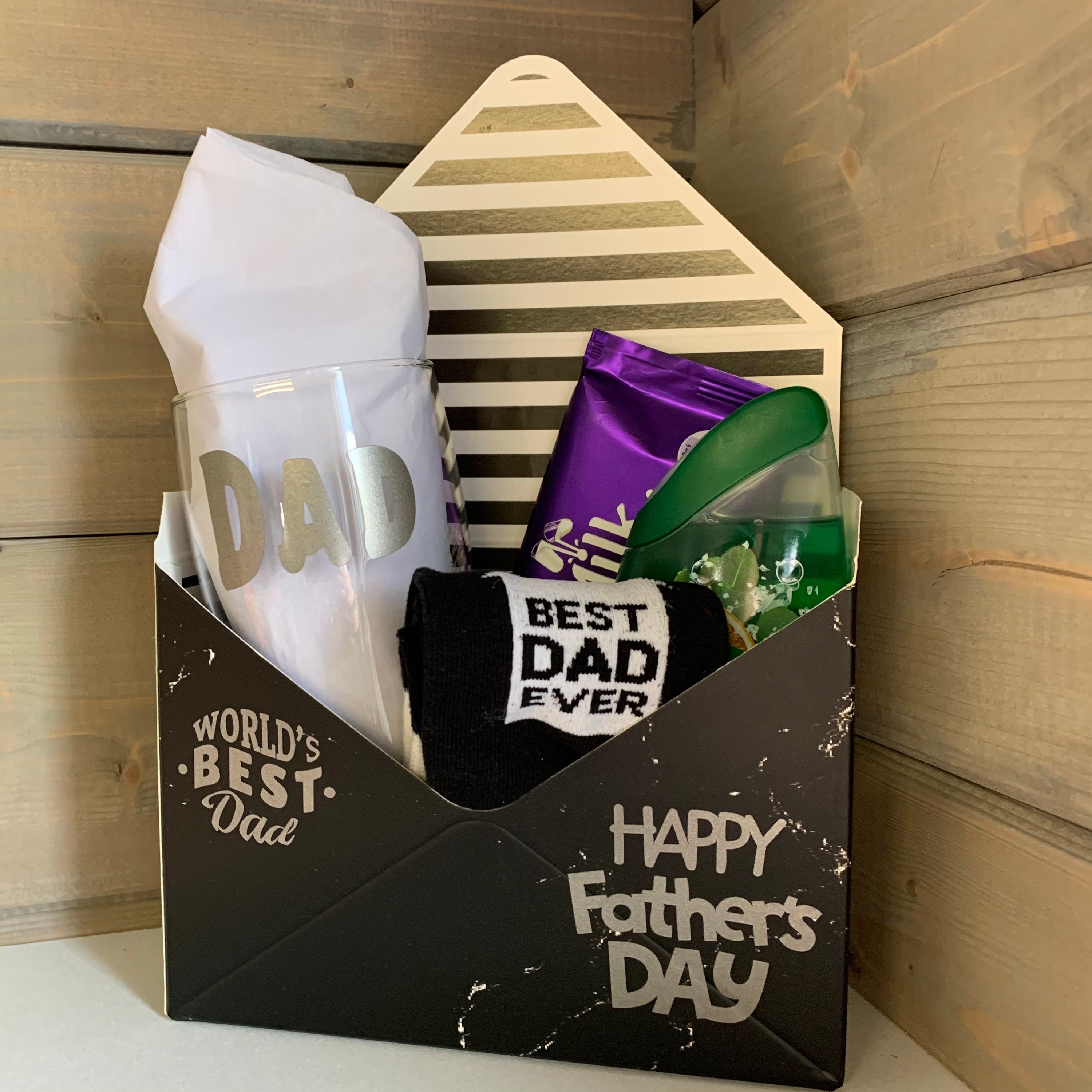
If you are still struggling, don't buy one thing; build an experience. For example, if he loves BBQ and historical documentaries: put together a basket containing a specialized smoking rub from a regional source, a book on Southern culinary history, and tickets to a local barbecue festival or smoky smokehouse event. This approach demonstrates deep research and thoughtfulness.

By adopting this multi-faceted approach—observing his actions, listening carefully during conversations, and understanding the underlying motivation for his joys—you will find that finding out your dad's secret passions is less about detective work and more about simply loving him enough to pay attention. The perfect gift awaits when you learn to read the signals he sends every single day.